AGP Executive Report
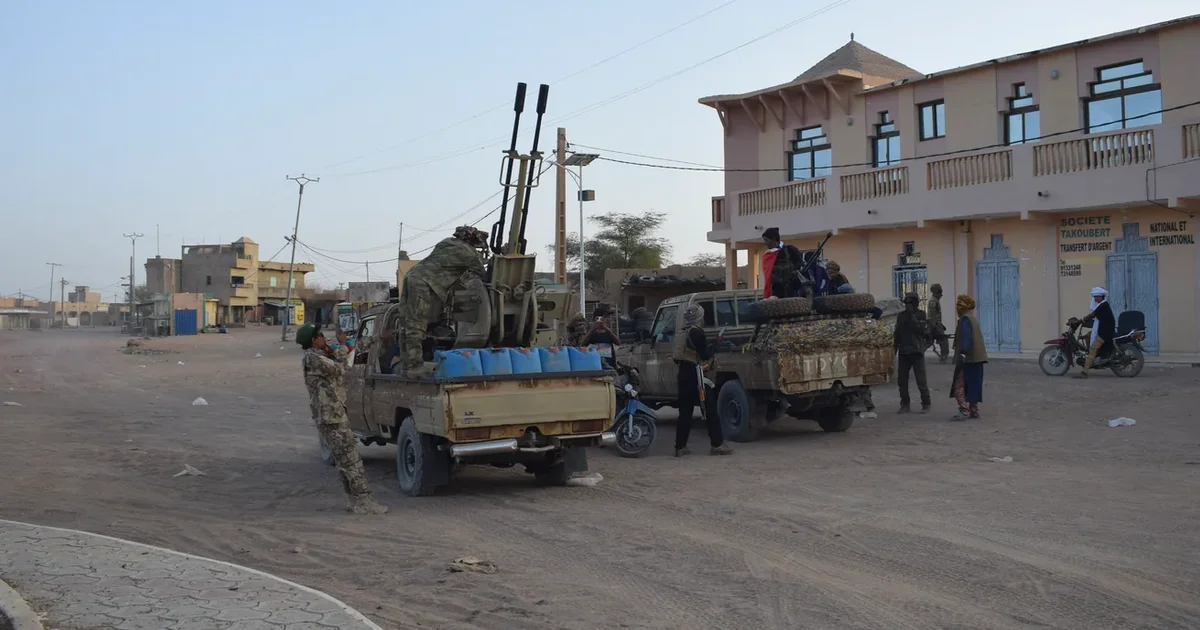
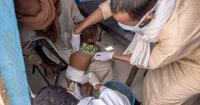
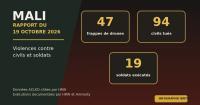
Last update: 12 hours agoCivilian Health at Risk: Human Rights Watch says Malian forces and Russian Africa Corps personnel carried out drone strikes that killed 94 civilians between April and August—more than double the toll a year earlier. One strike partially damaged a health centre in Kidal; another hit a livestock market in Bandiagara. HRW also accused armed groups of serious abuses and urged the African Union to act. Maternal and Child Supplies: A new one-year, $25 million UNICEF deal will provide medicines, medical equipment and some nutrition supplies to at least 15 countries, including Mali, helping avert another disruption to care for mothers and children.
Note: AI summary from news headlines; neutral sources weighted more to help reduce bias in the result. Feedback is welcome. Please let us know if you have any comments or suggestions about the AGP Executive Report.

 Perspectify News